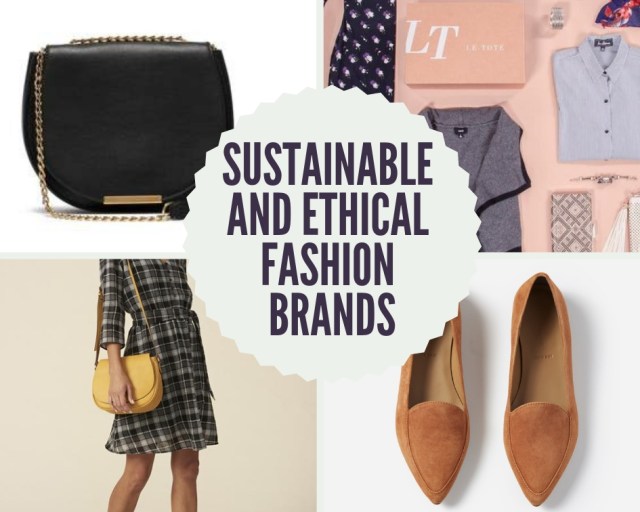
Have you heard of fast fashion? It’s a term that pretty much sums up most of the clothing available for the average consumer: apparel that is massed produced, “in” for a season or two, and attractively priced. These rapidly consumable goods are not only trendy, but they also happen to create an environmental hazard–the textile and garment industry is one of the worst pollutants on the planet. With more people buying inexpensive clothing, made with synthetic and blended fibers that are difficult to recycle, the fashion industry has had to address the question of how to make their products greener and ethical.
Luckily, there are a few companies taking a conscious approach to producing apparel in today’s market. Do I think that shopping for clothes that are manufactured with a little bit more thought and regard for the planet and its humans amounts to doing good? I ask myself this question as someone who can afford nice and comfortable things from time to time. Buying sustainable or ethical fashion is not exactly social and political activism but it does help the conscious consumer feel like she is making a difference as a participant of our consumer culture. And, whether we like it or not, we are willing consumers—from buying the latest tech gadget or Kate Spade bag to booking that Airbnb on your next trip. This reminds me of an observation writer Toni Morrison once made at a New Yorker Festival in 2015 about the transformation of Americans from people who once tied their identity to civic duty and citizenship but now think of themselves as consumers and taxpayers. Have we all become non-civic-minded consumers? Hopefully, this trend of green, borrowed, and ethical fashion means that we are at least trying to infuse some social awareness into our spending habits.
Okay, that was my existential reverie for the day—let’s start talking fashion brands:
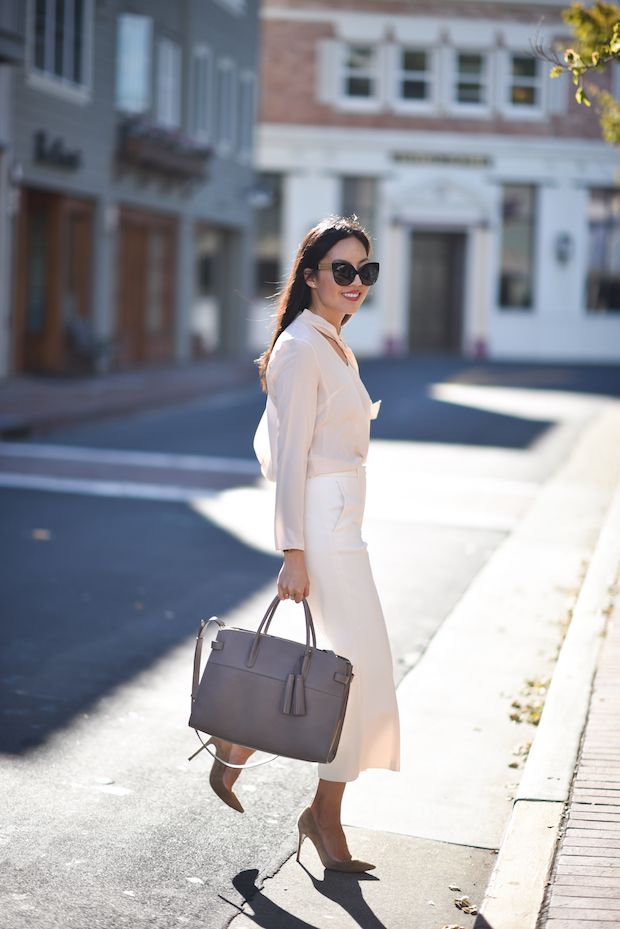
Something that immediately stands out about Cuyana is its clear intention to be part of something greater than the retail space–a social movement that pushes for people to buy fewer but better products and to have a “leaner” closet. Even the idea of “leaner” sounds cool and modern. Their products support artisans from all over the world–from Indonesia to Peru–and they make use of fabrics that are also reflective of the geographic locations in which they are made. To say that their clothes are thoughtfully made would be an understatement. The style is perfect if you’re a young professional looking for a sleek, minimalist, but modern wardrobe. In the collection you’ll find elegant but functional blouses, cardigans, black pants, and weekender bags. The leather goods (all ethically made) seem perfectly versatile for everyday use. And that trench coat is a stand out piece.
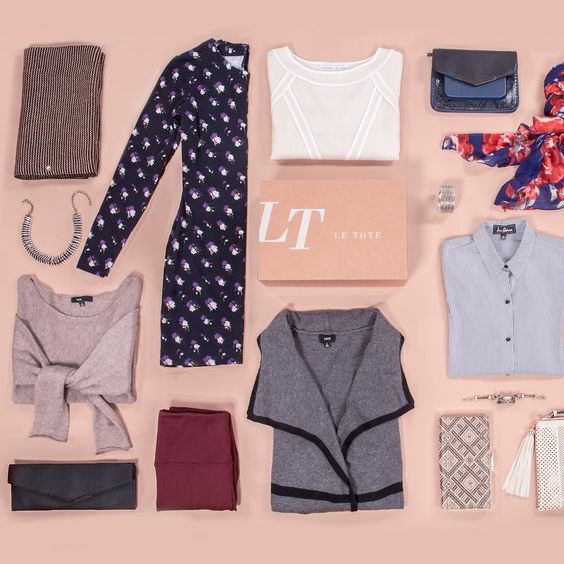
What if we just didn’t buy as much clothing? Wouldn’t that be less clutter in our homes and also more sustainable? Well, with the subscription service Le Tote, you can rent the clothes instead of own. You select the styles, they send it to you, and you wear the clothes to find out whether you love it enough to keep or just rent. Considering that we are all guilty from buying things that we wear only a few times (hello, bodycon dress from BCBG!) only to forget about it, it’s good to know that there is a service that allows you to wear a trendy piece without fully committing to it. Is this for the non-committal millennial? Perhaps. But at least you are not accumulating things that you simply will not use or wear.
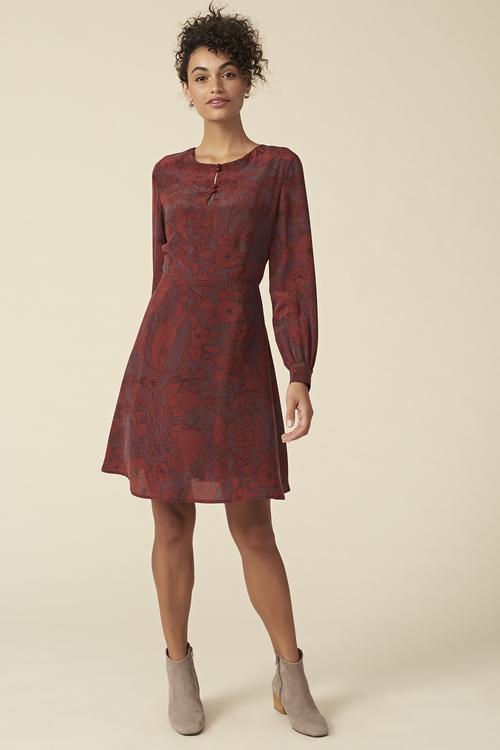
If you go to their dressing rooms (like I did in the Stanford Mall in Palo Alto, Ca), you will come across an interesting fact written in one of their recycled cards–Amour Vert makes their clothes locally, not only in the US, but in the Bay Area. Now that’s local! Growing up among the California suburban malls of the 90s and becoming desensitized to the fact that most of my clothes from JCPenny and Mervyn’s were made in Bangladesh or China, it was quite refreshing to realize that, yeah, clothes could be made locally. What a concept!
In addition to producing their clothes in the U.S., the pieces themselves are sustainably made, including their jeans. Try on a pair and you’ll see that these jeans are as well tailored as any other designer brands and come in varied colors of deep dark blue to light gray. Also, as the brand’s name indicates, you can also find floral dresses, marinière shirts, and other outfits inspired by that french-girl chic and that often sought-after je ne sais quoi.
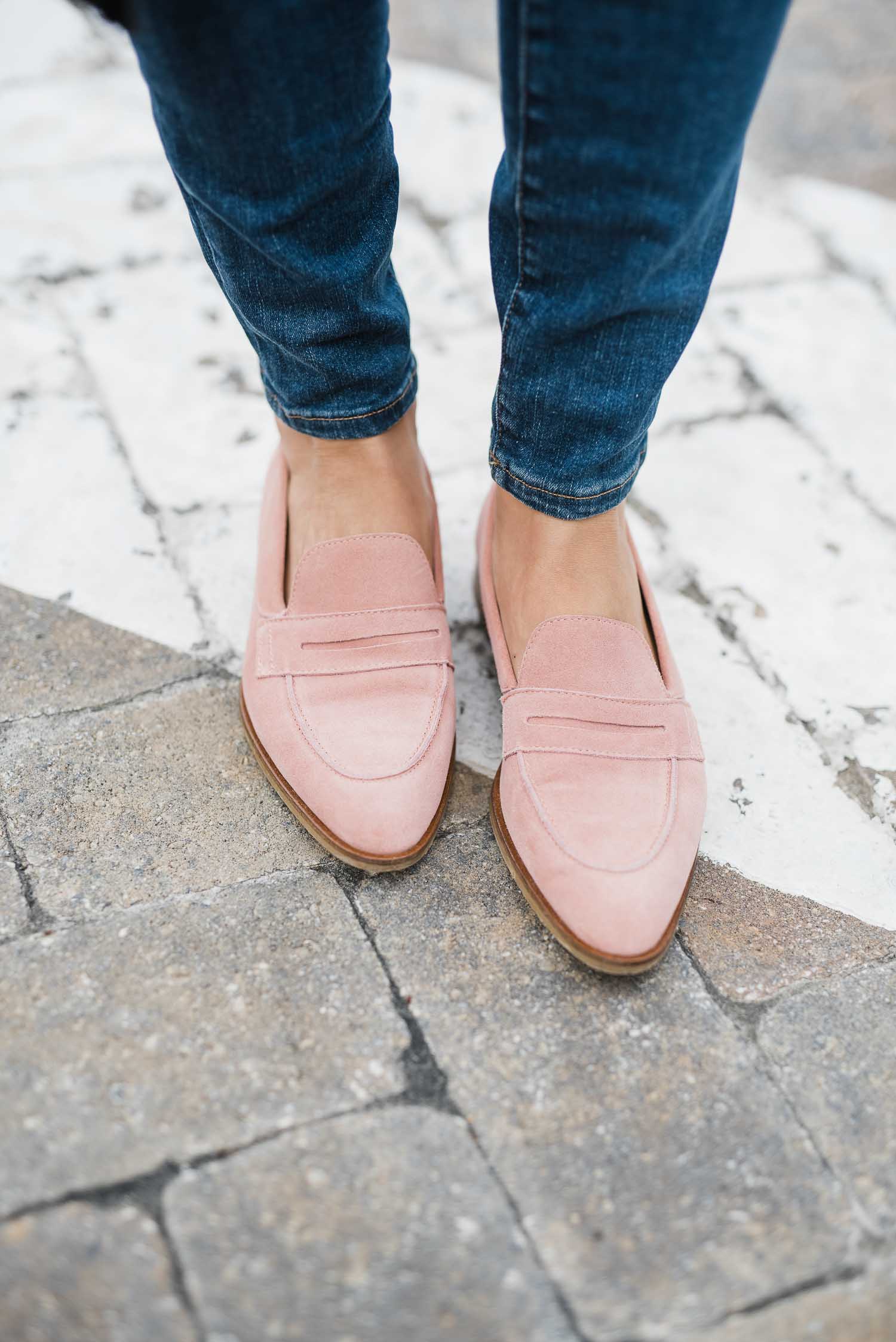
Are you looking for timeless wardrobe basics? Fashion staples such as the classic t-shirt and loafers that will never go out of style? Do you want to know your t-shirt’s manufacturing backstory, hindering any possibility that you’ll forget about the labor that went into making your clothes?
Look no further than Everlane. In their fashion manifesto presented in their website, the company espouses radical transparency. Such forthrightness about how much it actually costs to make the product and the location in which it is made is definitely a deviation from the norm. Karl Marx critiqued the capitalist system for having the ability to mask the labor and human effort that goes into making the commodities that surround us. Everlane produces commodities that willingly attempt to unmask themselves. What would Marx think of this company?
I don’t know what Marx would think but I was impressed by the company’s mission. I was struck by Everlane’s commitment to letting their consumers know about how well their factories scored in terms of fair and safe working conditions. They even included a video of their factory in Los Angeles and the Angelenos who make their clothing. Sure, such a marketing tool brings a human face to the product, but even a thoughtful marketing campaign can only scratch the surface when it comes to really knowing the brown and working-class Angelenos who make up a significant part of the clothing and garment industry. But this begs the question: is this just a reminder that we cannot expect a brand to be more than just a brand or a representation of a product? Whether it’s enough to have a mission or a set of values as a company, Everlane is one of the few companies that at least tries to be transparent about their practices.
So there you have it! Bay Area brands that are creating a more sustainable and ethical ecosystem for fashion enthusiasts like ourselves (you probably are if you made it to the end of this post). Yes, it’s now cool to be green—not only is caring about the planet we live on a fashion statement, it also makes sense if we want to create a sustainable future.

 Critical Chica