When you think of the best cities in the world, what comes to mind? NYC, Paris, and Barcelona? Yes, all those cities are amazing but you would be missing out if you’ve never made it to la Ciudad de México or CDMX. It has world class art. Mouth-watering food (I had the best tacos of my life there!). Many quaint neighborhoods called “colonias.” History and archeological ruins. And, brace yourself, there are 21 million people living together in the Mexico City metropolitan area, which is a valley that once held the seat of the Aztec empire. After reading books about CDMX–Francisco Goldman’s The Interior Circuit (2014), Daniel Hernandez’s Down and Delirious in Mexico City (2011), Sandra Cisneros’ Caramelo (2002), and Bernal Díaz del Castillo’s The Conquest of New Spain (1632)–I figured that I had prepared myself well enough to visit one of the most complex and bustling cities in the world.
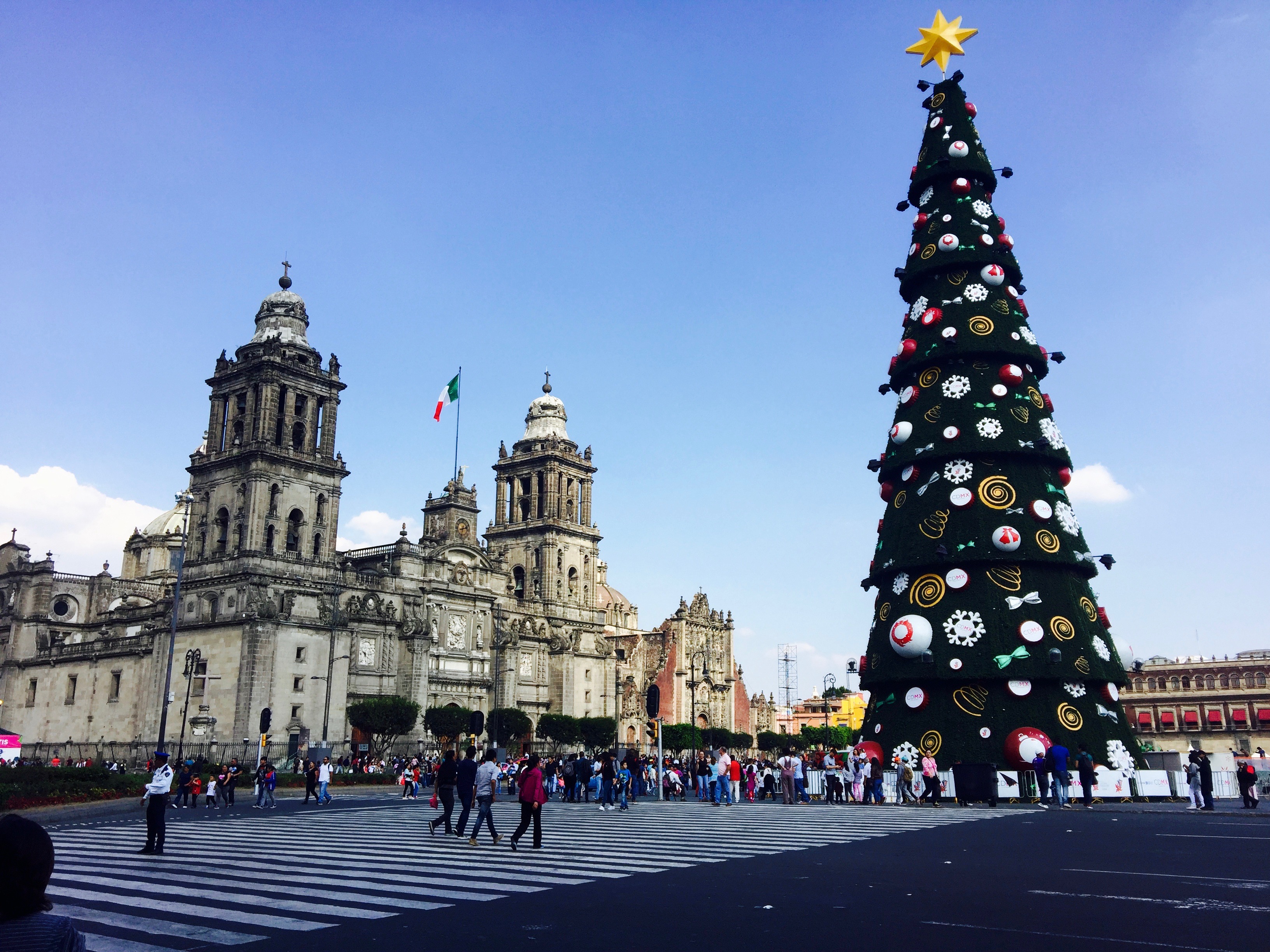
The city’s energy may remind you of New York at certain moments, but the overall experience of getting to know Mexico City and its colonias feels like a multi-historical and multi-perspective journey into a global yet decidedly Mesoamerican city. Mexico City is the kind of place that makes you think about the complicated history of the Americas. It is a city with many layers. Just in the Zócalo you have one of largest Spanish colonial town squares built on top of Aztec ruins. The history here is profound. It has a depth you feel even more when standing in the middle El Zócalo surrounded by a crowd of people going about their day—vendors, tourists, business people, families, and elders.
How does one navigate the labyrinth-like yet elegant layout of the city that divides the 300+ colonias? I have to credit the following 7-day itinerary on part exploration, part research, but the major part on knowing some good people in Mexico City. Thanks to my chilango (Mexico City natives) friends for the tips and showing me a good time. Also, major props go to my Mexican-American-turned-chilangos friends who gave me a glimpse into what it’s like to live in CDMX as an American. As you’ll see in the following itinerary, there’s lots to do in this “Aztec Metropolis” so make sure you get your walking shoes ready!
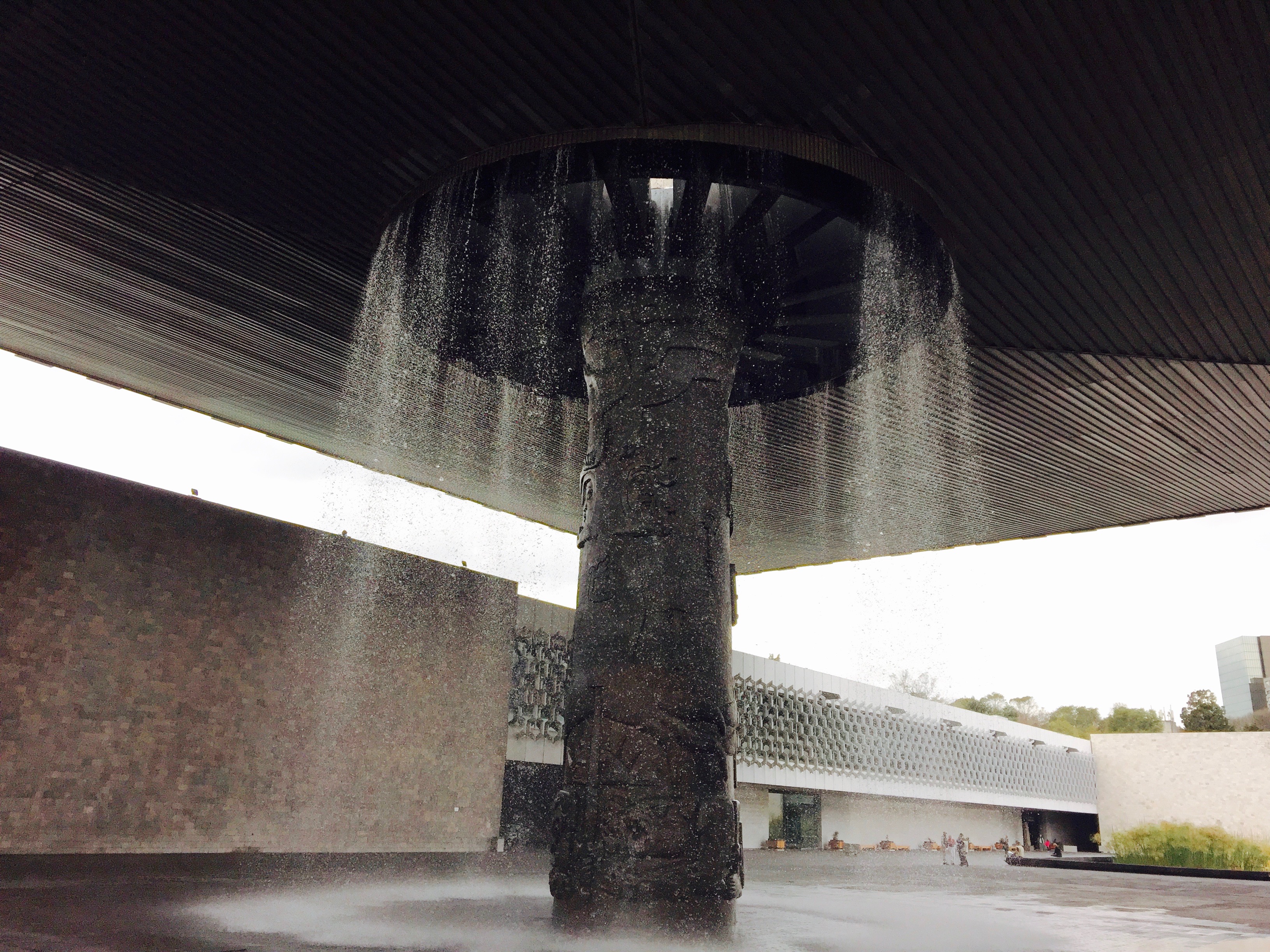
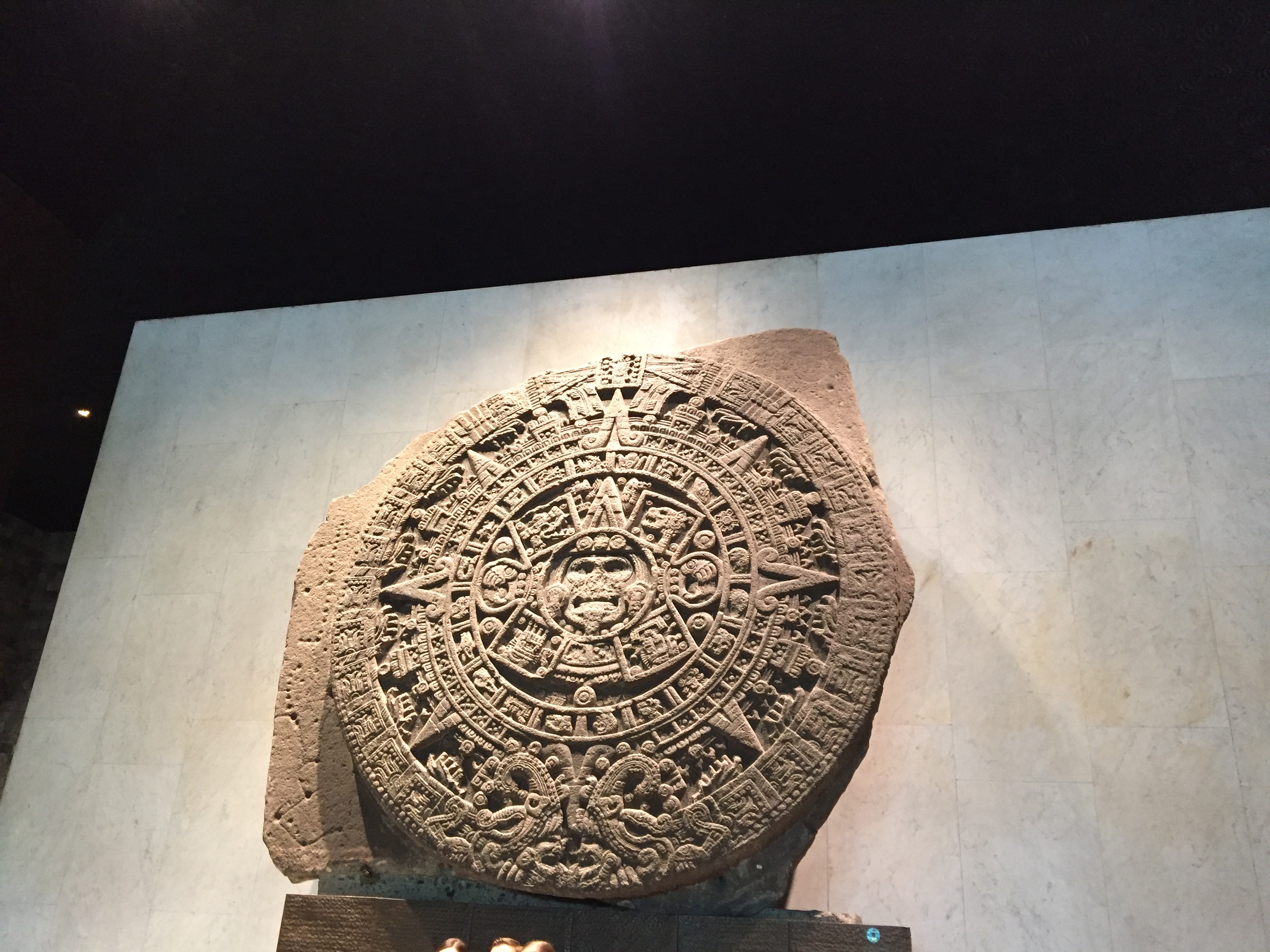
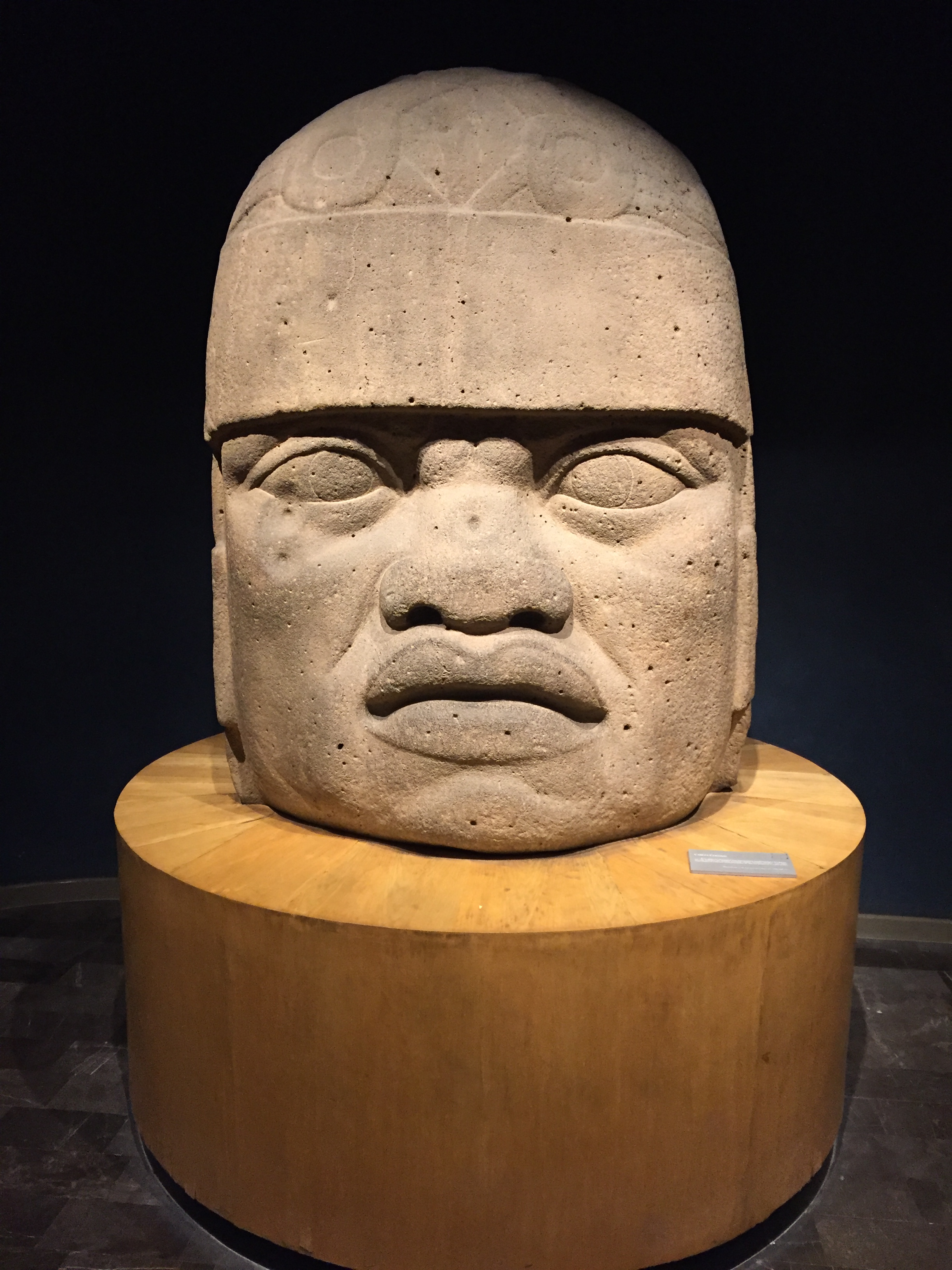
Day 1: Although I booked an Airbnb in La Condesa for the majority of my stay, I started my journey in Polanco as I wanted to stay at a hotel as soon as I landed from my red-eye flight. Considering that this was my first visit to CDMX, I wanted to stay at a hotel where I could easily situate myself. I stayed at the Hyatt Regency Mexico City where I enjoyed an excellent breakfast buffet. Located near Paseo de La Reforma, the hotel was also a perfect location for exploring El Parque de Chapultepec and El Museo Nacional de Antropologia. This is a world-class museum where you will find treasures upon treasures of archaeological remnants left by the Aztecs and other indigenous peoples who lived (and continue to live) across Mexico. You will come across the headstones and the impressive Aztec sun stone and marvel at the ingenuity and artistry displayed in each piece. After El Museo, head to the bus stop on La Reforma and hop on the Turibus to make your way over to El Zócalo. Go up to the second floor of this double-decker bus to get a view of the different colonias as you make your way to the city-center. There are many bus routes and my Turibus stopped by La Condesa, Roma Norte, and the Ángel de la Independencia before we arrived at the magnificent Zócalo. Visiting the museum and getting glimpses of different neighborhoods was a great introduction to the city.
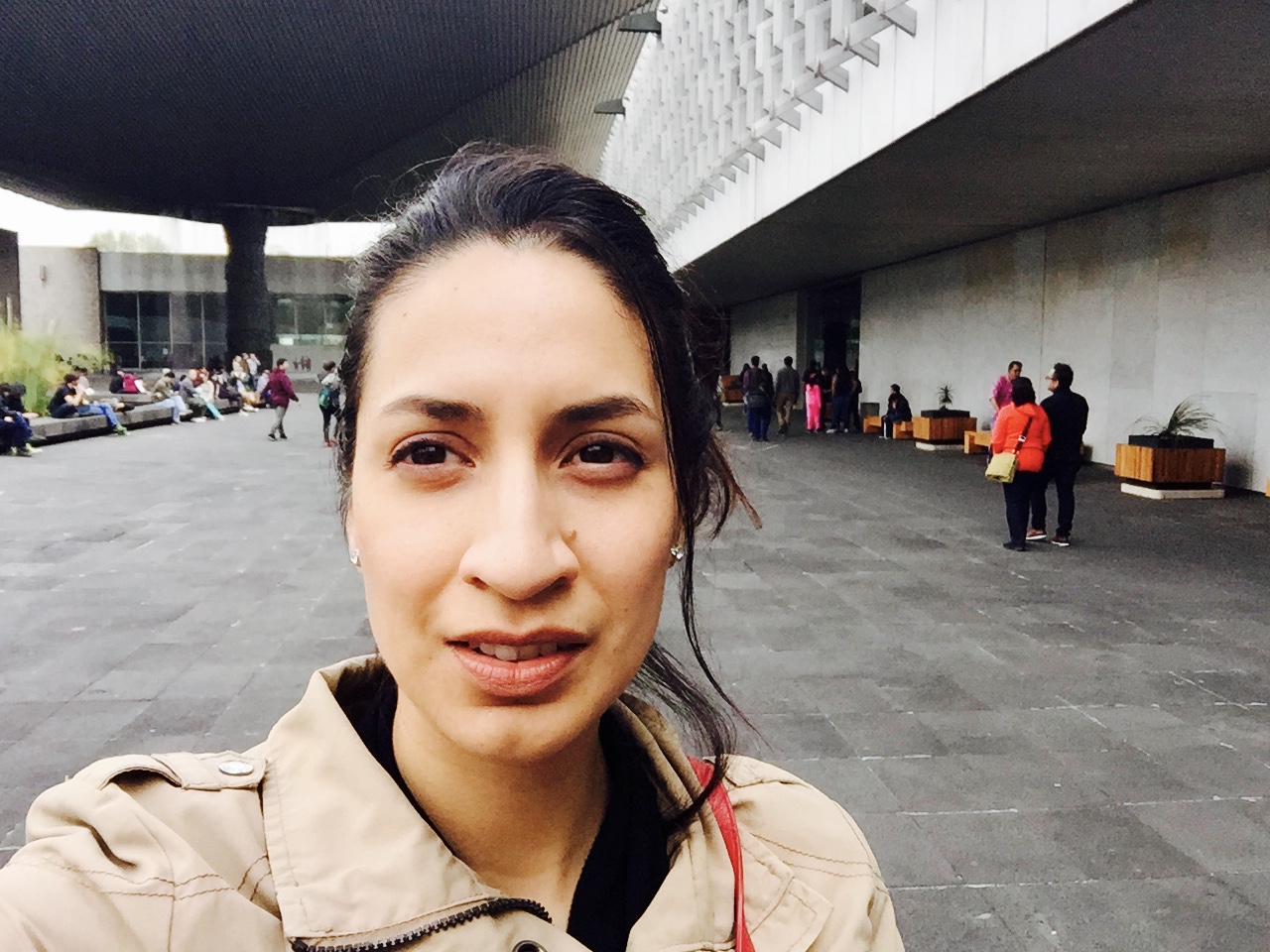
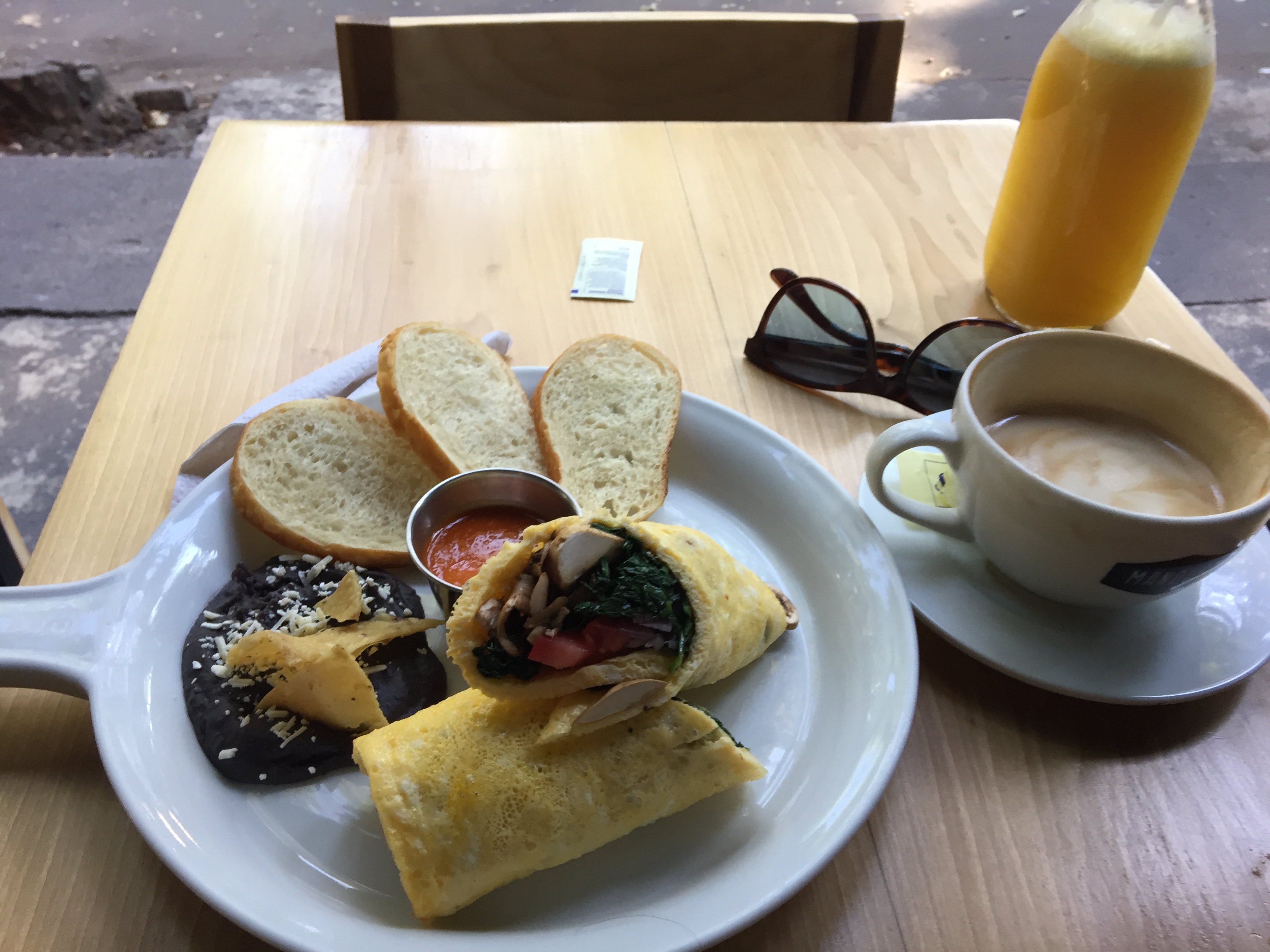
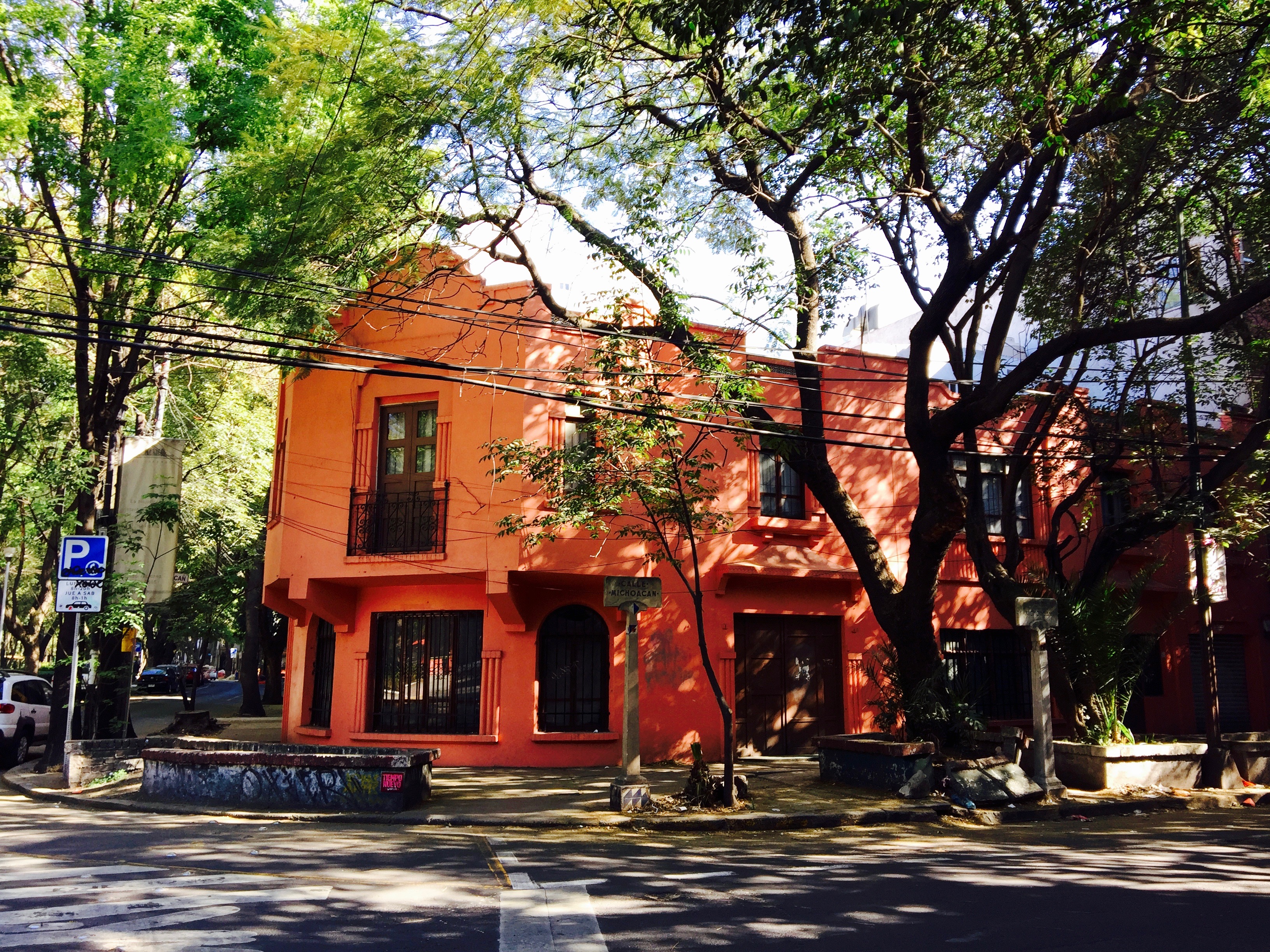
Day 2: I checked into my Condesa Airbnb apartment. La Condesa and Roma neighborhoods are two of the hippest in the CDMX (you can get a sense of this, especially when reading Francisco Goldman’s books). I wanted to be where the writers, designers, and coffee enthusiasts could be found. I stayed near Calle Tamaulipas where a plethora of restaurants and shops line the street. CrossFit was even in the neighborhood–to give you a sense of the young cosmopolitan professionals who lived here. Going toward the colonia Hipódromo, you will find great eats at Peltre Condesa and Manduca, where I had a delicious omelet with frijoles and tortilla chips. The coffee was also on point. Walking around La Condesa was a pleasure in itself. There are a lot of cute spots, including Parque España, Parque México, Avenida Amsterdam, and Plaza Popocatépetl. You will see people walking their dogs and jogging. It’s the type of neighborhood where strolling is an activity.

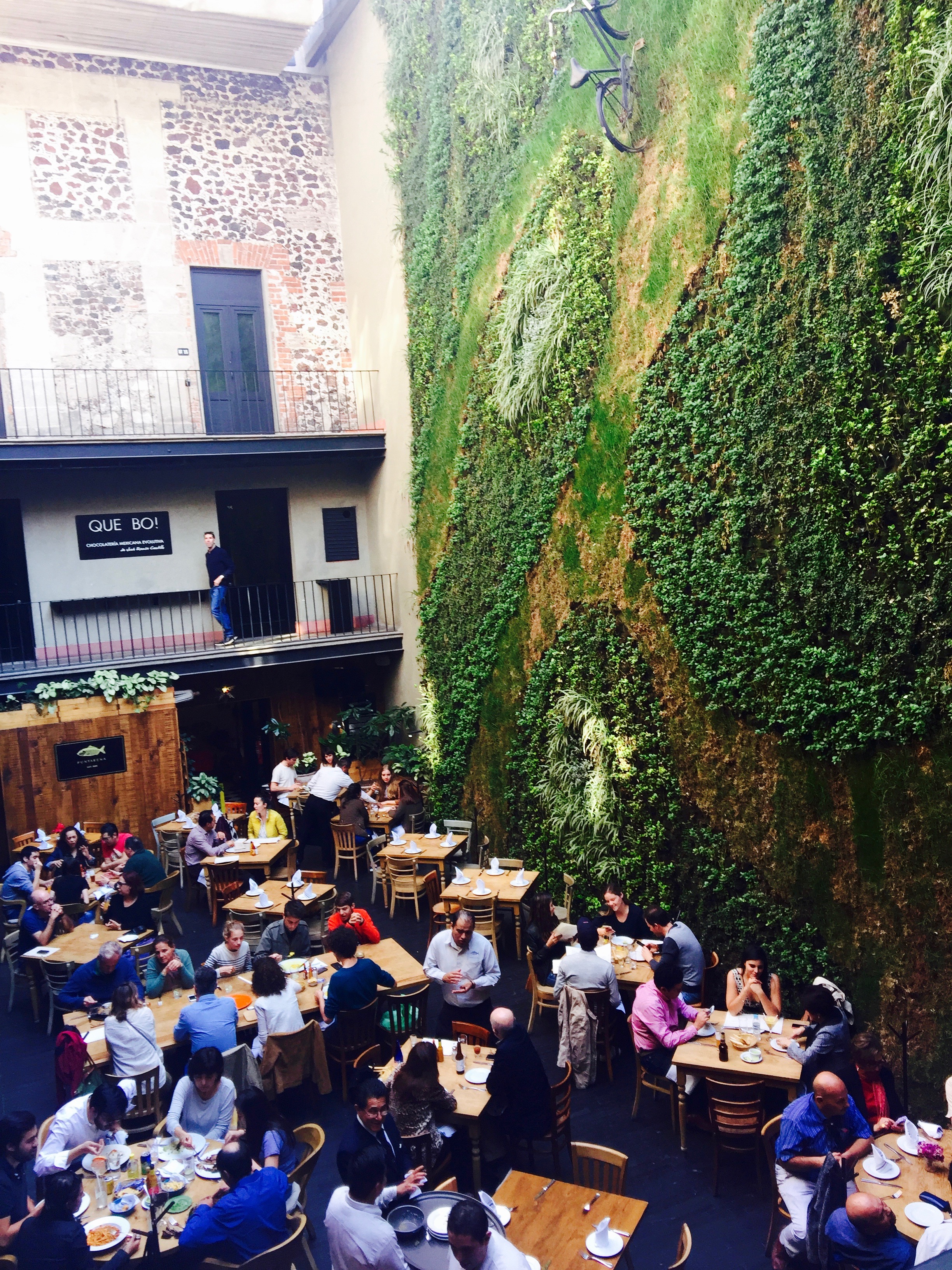
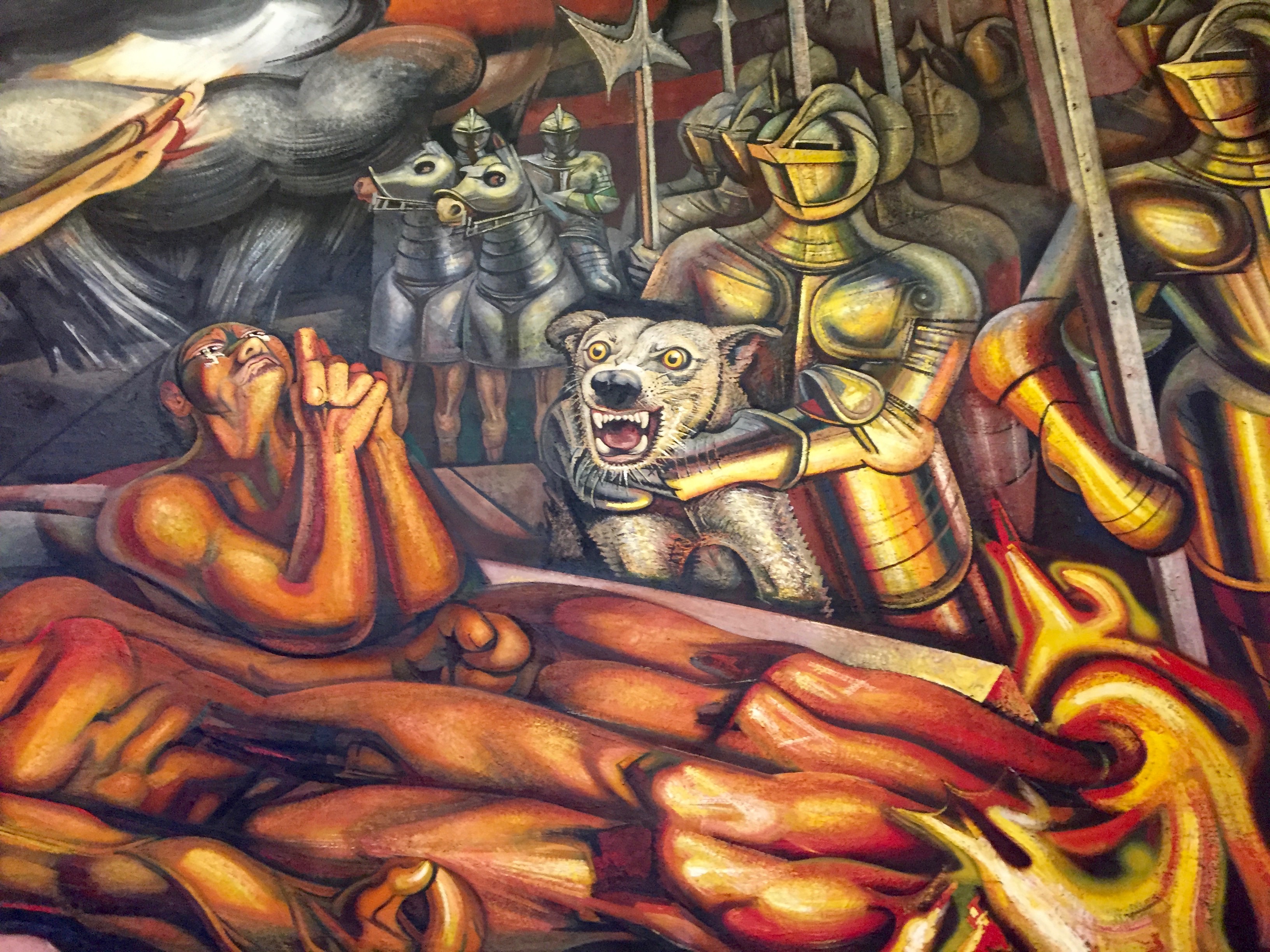
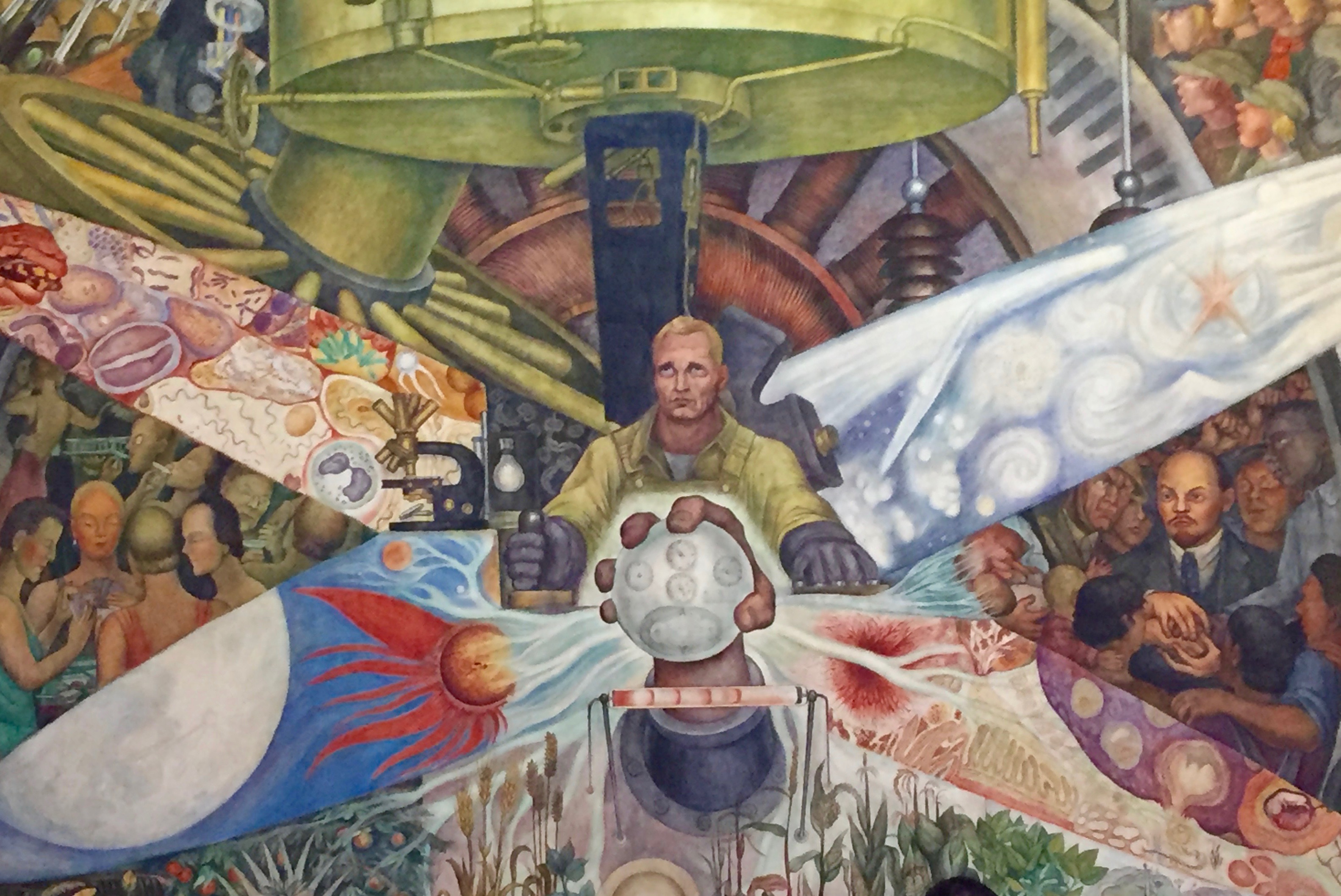
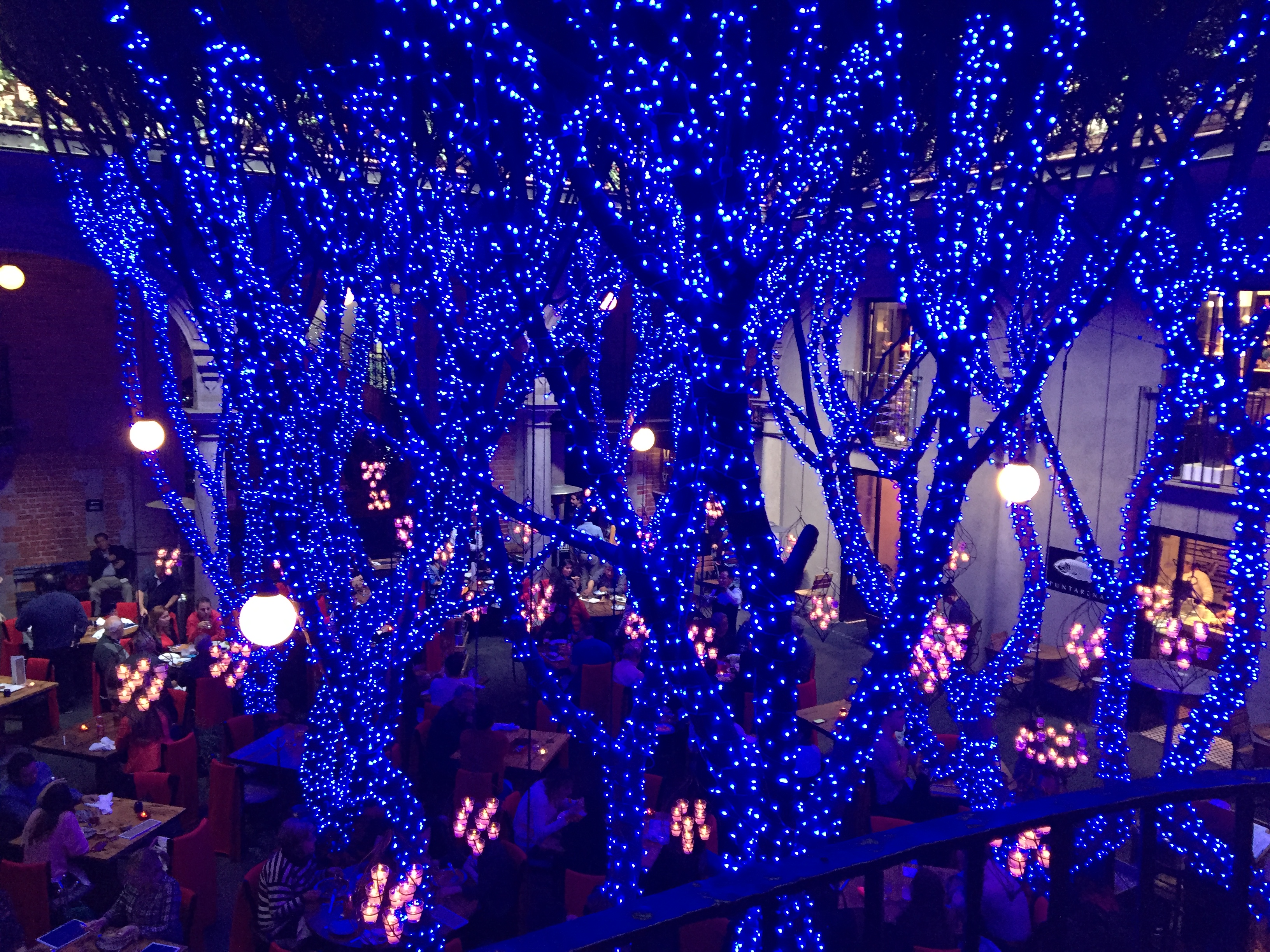
Day 3: I visited El Palacio de Bellas Artes where chilangos go to enjoy and patronize the arts.(There’s a great episode in Amazon’s Mozart in the Jungle where the Gael García Bernal character triumphantly returns there to direct the New York Symphony Orchestra). There you’ll find frescoes from the great Mexican muralists like Diego Rivera, David Alfaro Siqueiros and José Clemente Orozco. If you want more of Diego Rivera, head over a couple of feet to the Secretariat of Public Education building where you will find one of the best Rivera mural collections. They are hidden within the courtyard of the building so it was a nice surprise to see them everywhere! I recommend joining a guided-tour to learn more about Rivera’s life and the story behind each panel. After all that walking, you might want to take a break and grab a refreshing drink on the terrace of the Gran Hotel Ciudad Mexico. The terrace restaurant itself is not anything special, but the view of El Zócalo is worth the visit. After, if you’re hungry, head over to the famous Azul Historico restaurant (pic below), or if you just want a snack before dinner, go up to the second floor of that building and visit Tapas de San Juan for a glass of wine and a quick bite.
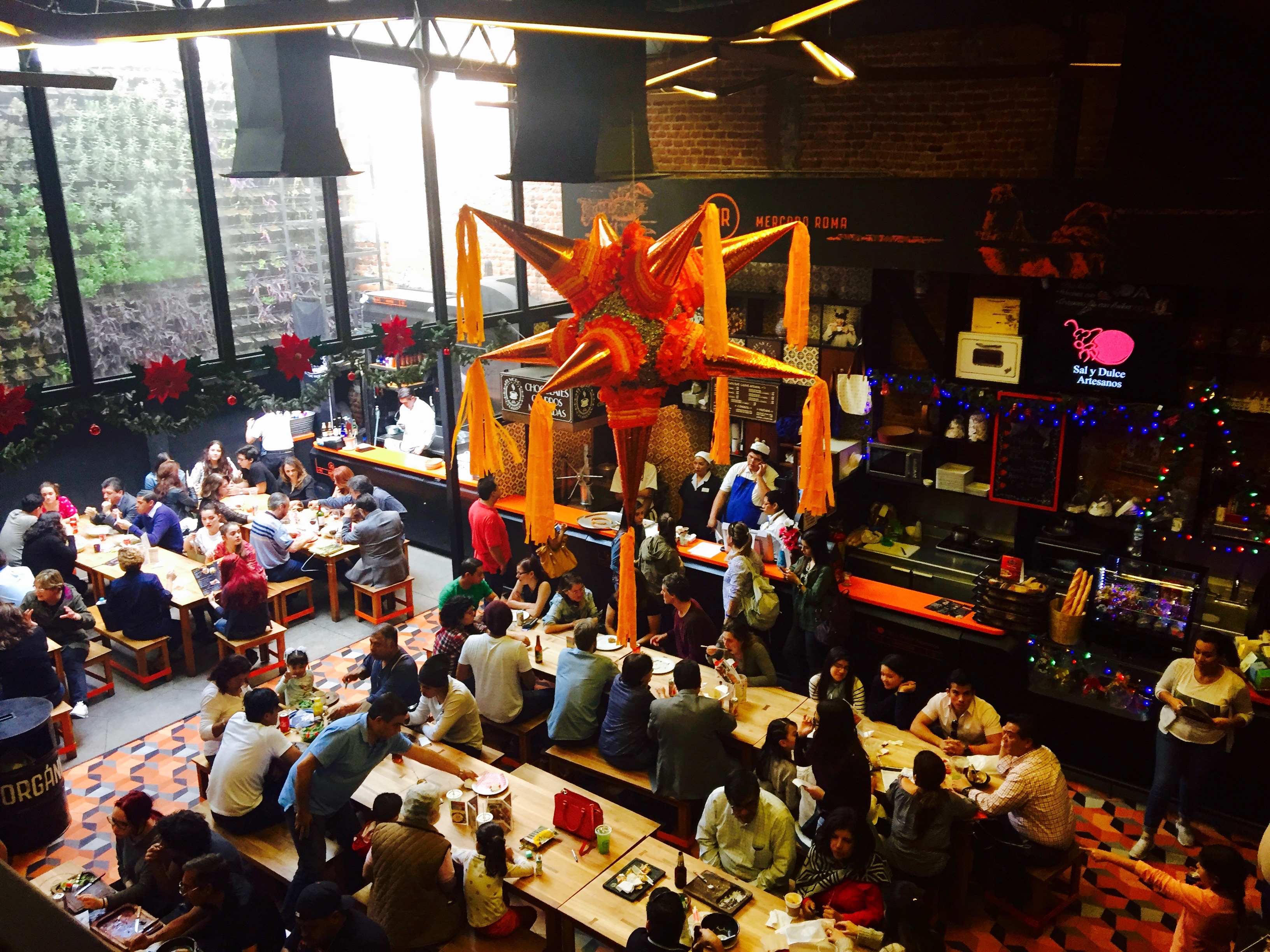
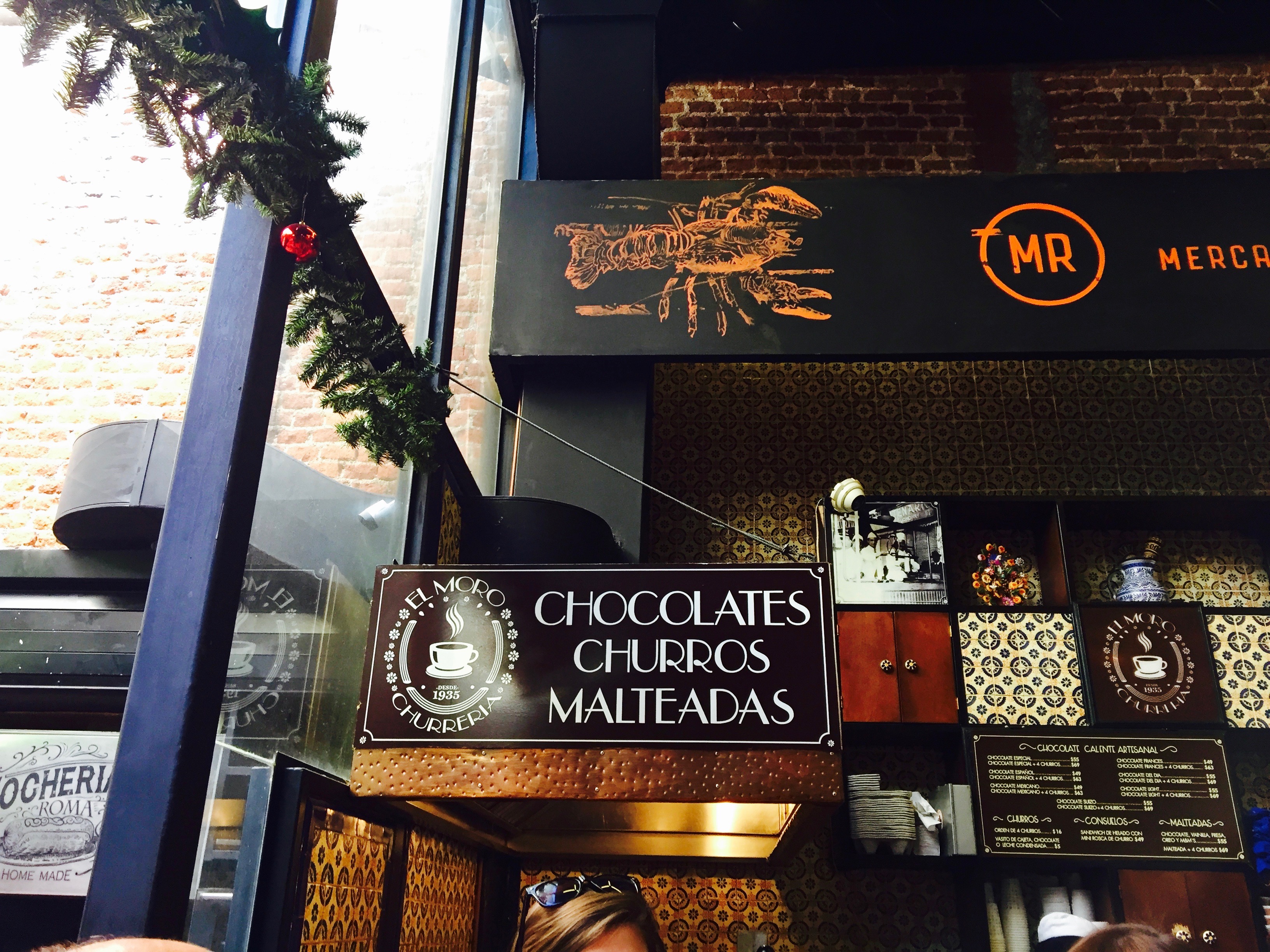
Day 4: Today was all about Roma. This neighborhood is known for having architecture and a color scheme that you would find in the city of Rome. Mercado Roma is the perfect place to grab a beer and tacos. I also tried a chapulín (grasshopper)for the first time! Crunchy but not my thing. Upon exploring the cute neighborhood, I also found my way into the Carla Fernandez boutique to learn more about this Mexican fashion designer. Won over by the indigenous-meets-modernity clothing, I purchased a contemporary shawl that I use on special occasions. After exploring Roma, I met up with friends at Hotel Condesa. It’s one of those hip boutique hotels hidden in the city and one of its claims to fame is having a wonderful rooftop bar. For dinner and a night-cap, we went to Azul Condesa (where they make the tortillas in front of you and on the spot) and Baltra Bar for crafted cocktails. I tried Mezcal for the first time. It was quite smoky. For many Chilangos, going mezcal tasting is a must as an introduction into the city’s bar culture.
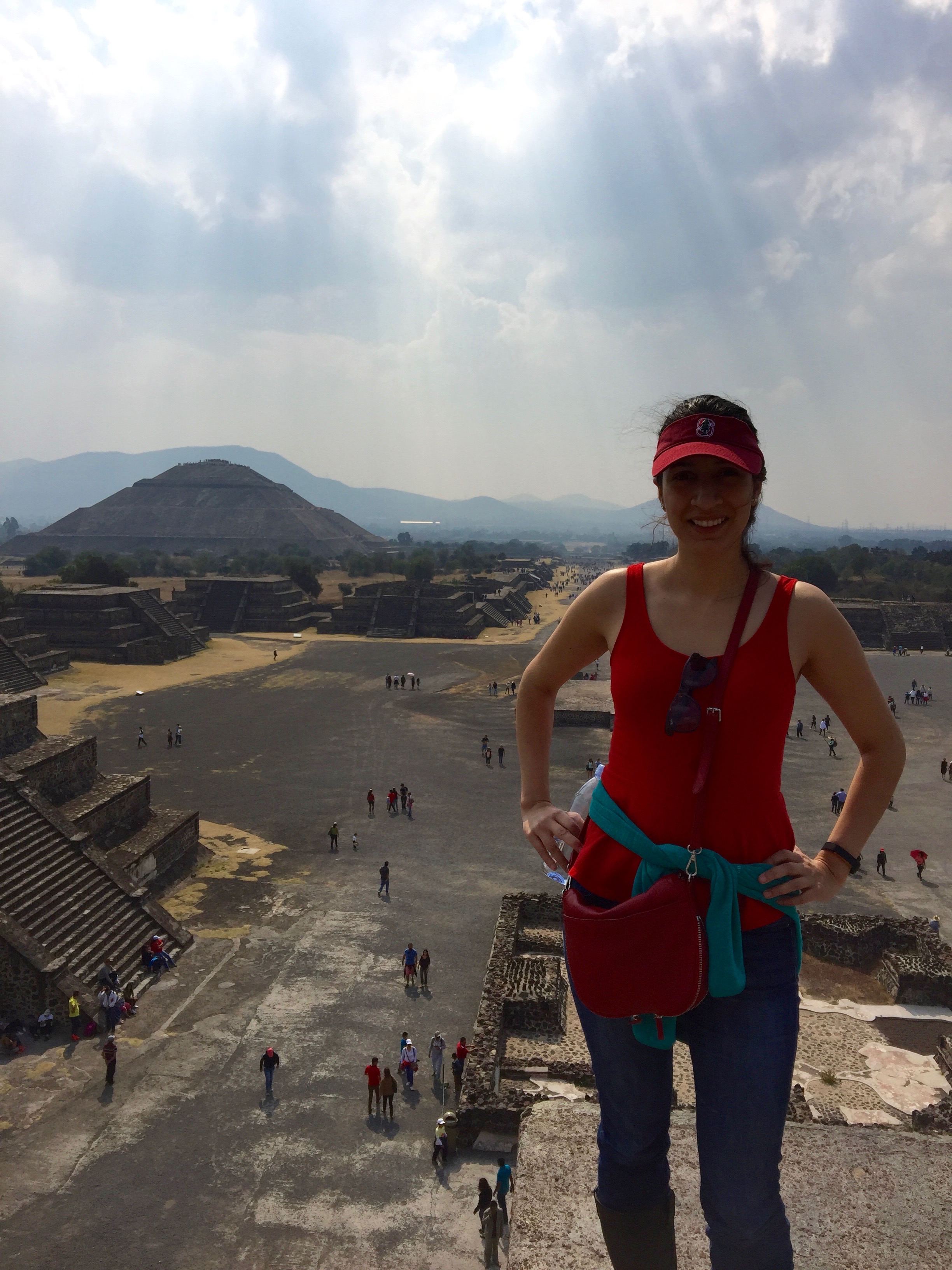
Day 5: I went on a day trip to Teotihuacan and the Basilica de Guadalupe. I bought this day-trip package through Viator and it included a pickup from a central hotel on La Reforma, a mezcal tasting, a tour of the pyramids of the Sun and the Moon, a lunch at a local restaurant (which you’ll need to manage your expectations for, since these restaurants are primarily geared toward tourists), and a stop at the Basilica of Our Lady of Guadalupe. Both sites were spiritual in their own distinct ways, but the pyramids were by far my favorite spot. After climbing up the volcanic rock steps, you will arrive at a breathtaking view of the valley. There are two pyramids so be prepared to do a lot of walking and climbing. This was when I realized I needed better walking shoes!
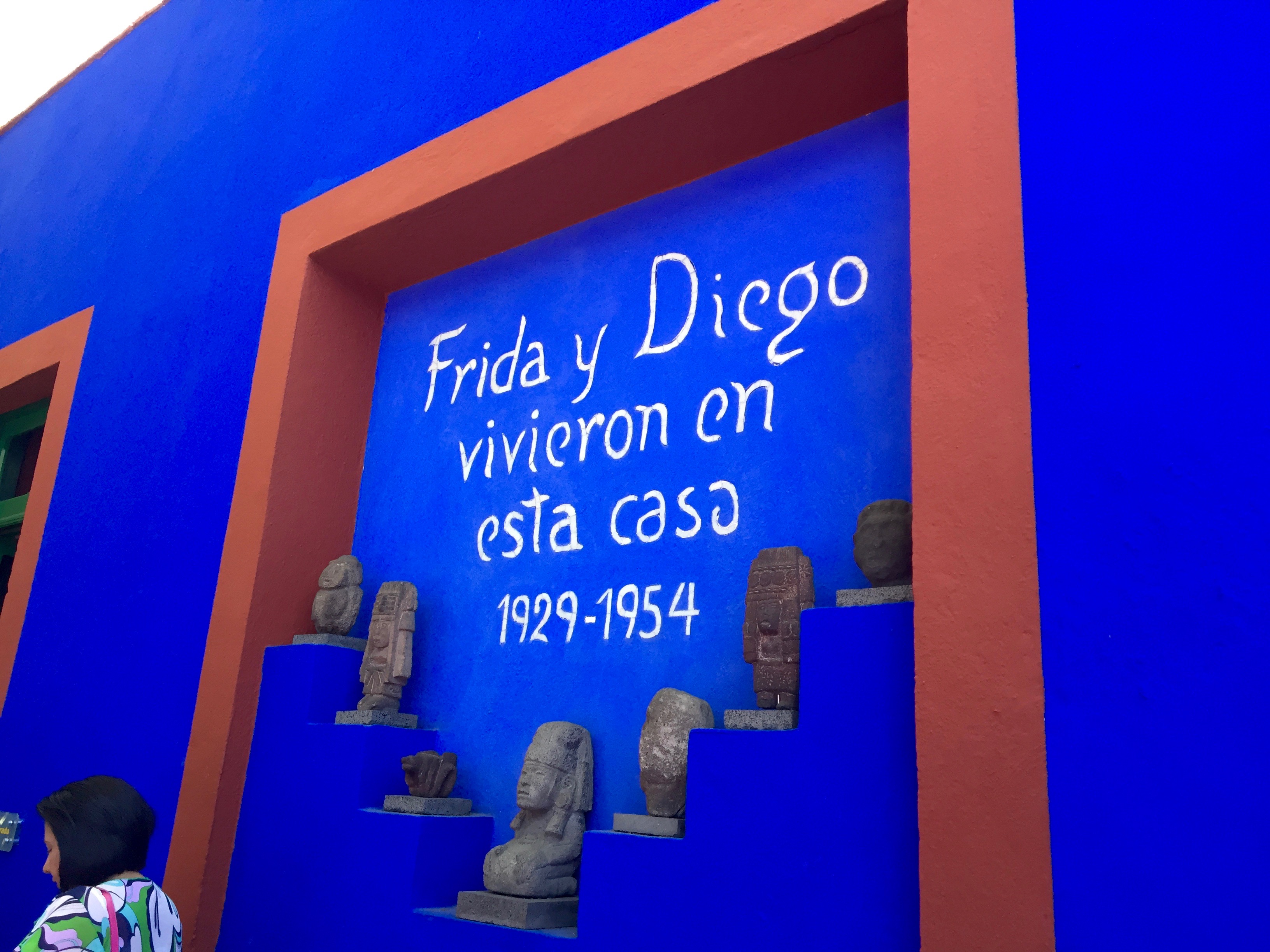
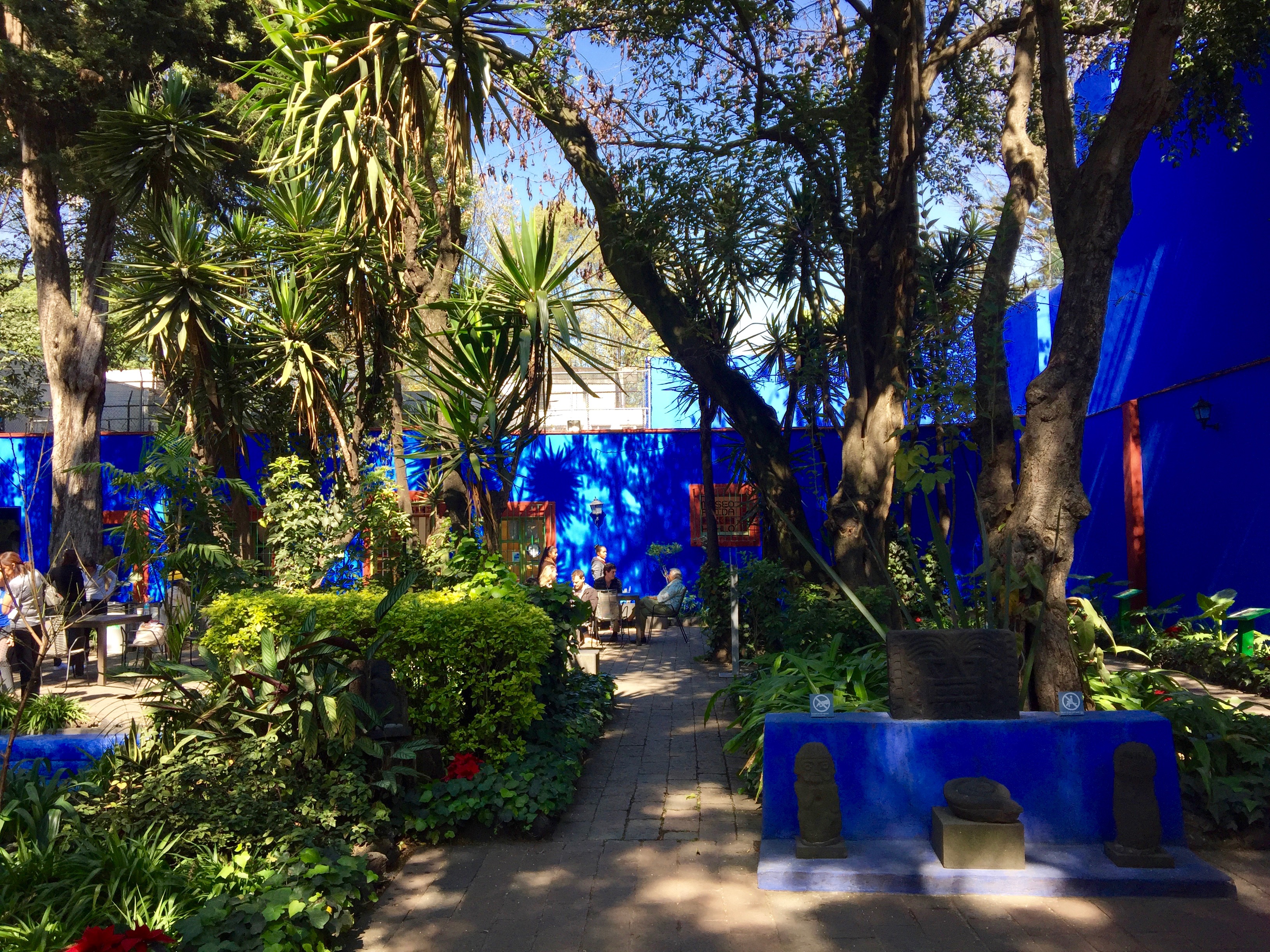
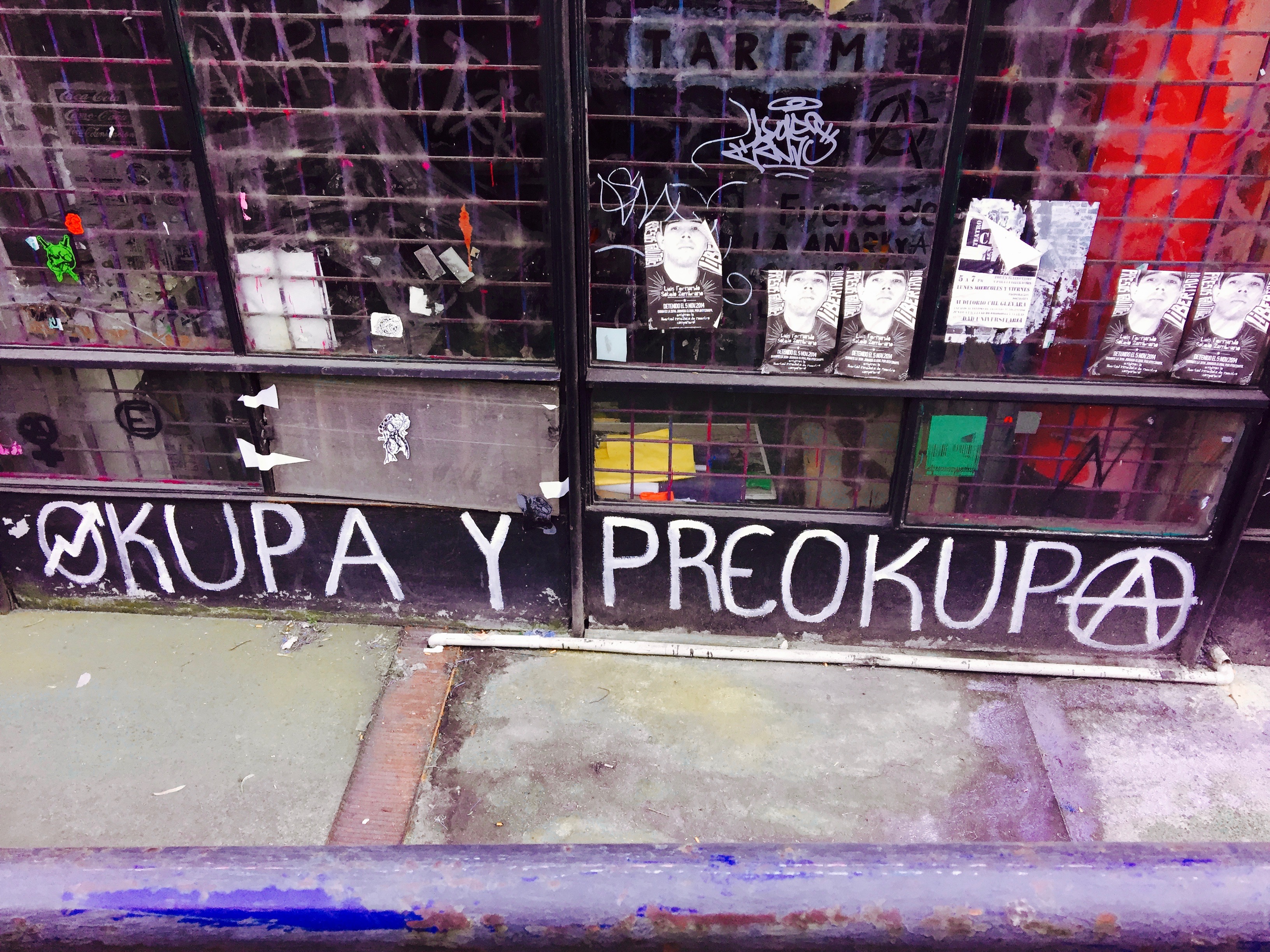
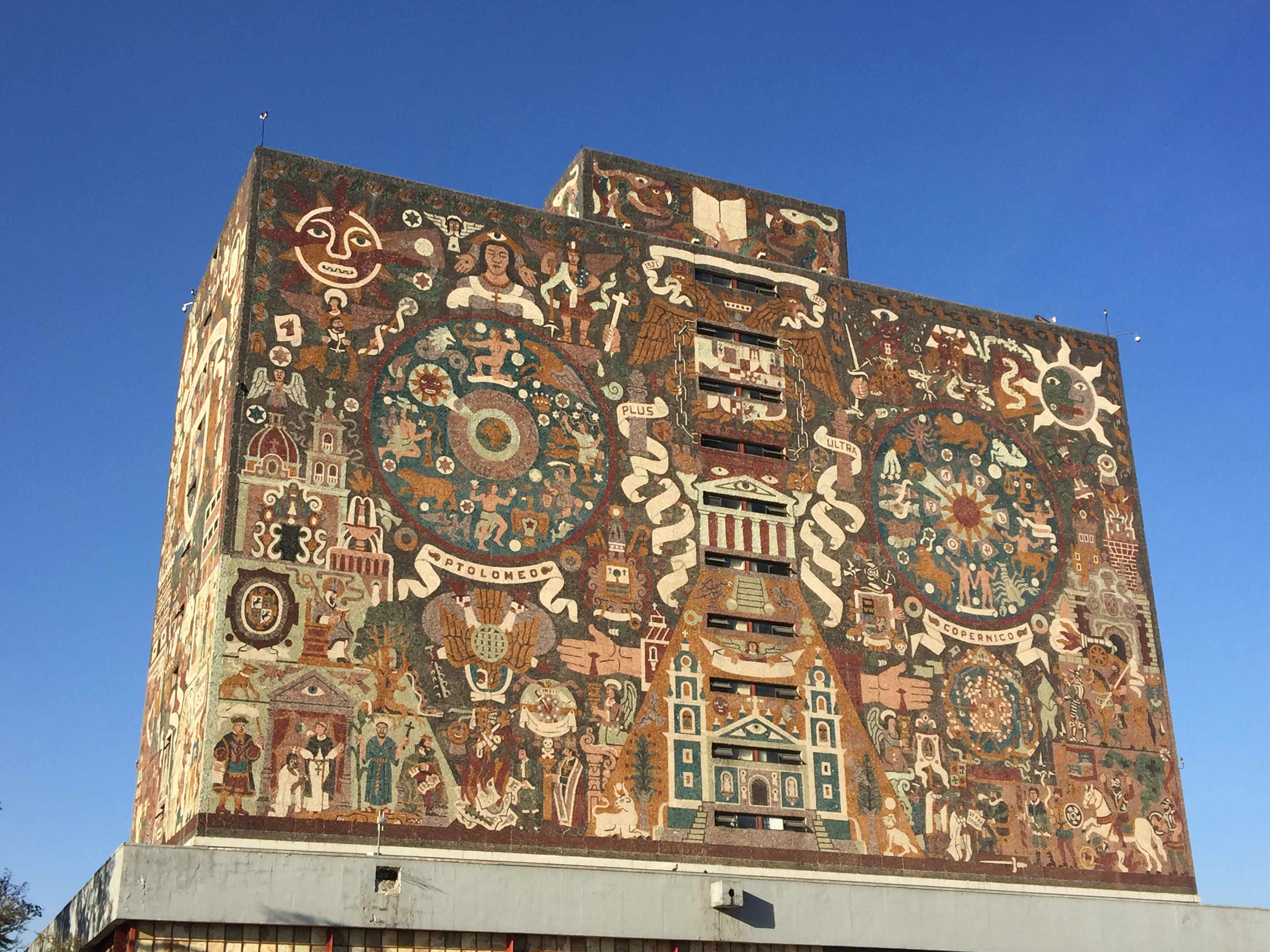
Day 6: I met up with a friend in the Coyoacán neighborhood to visit Frida’s house and to also check out one of the most famous universities in the Americas: National Autonomous University of Mexico (UNAM). Luckily, my friend had attended UNAM and lived in Coyoacán, so he provided me with a local’s tour of the colonia. For Frida’s house, I recommend buying your tickets online since there is usually a big line outside the ticket booth. After visiting her house, stroll through the neighborhood’s plazas and enjoy a churro or two. Coyoacán is known as one of the best places to get churros. There are lots to choose from and some have filling like chocolate or Nutella. I had the tequila-cream filling in my churro and it was delicious. After lunch, we took a taxi to UNAM, a public research university known for educating some of the best minds of Mexico. You will also see great murals, including more works from Siqueiros. The central library of UNAM itself is a magnificent work of art by Juan O’Gorman and the university’s most iconic building (see pic).
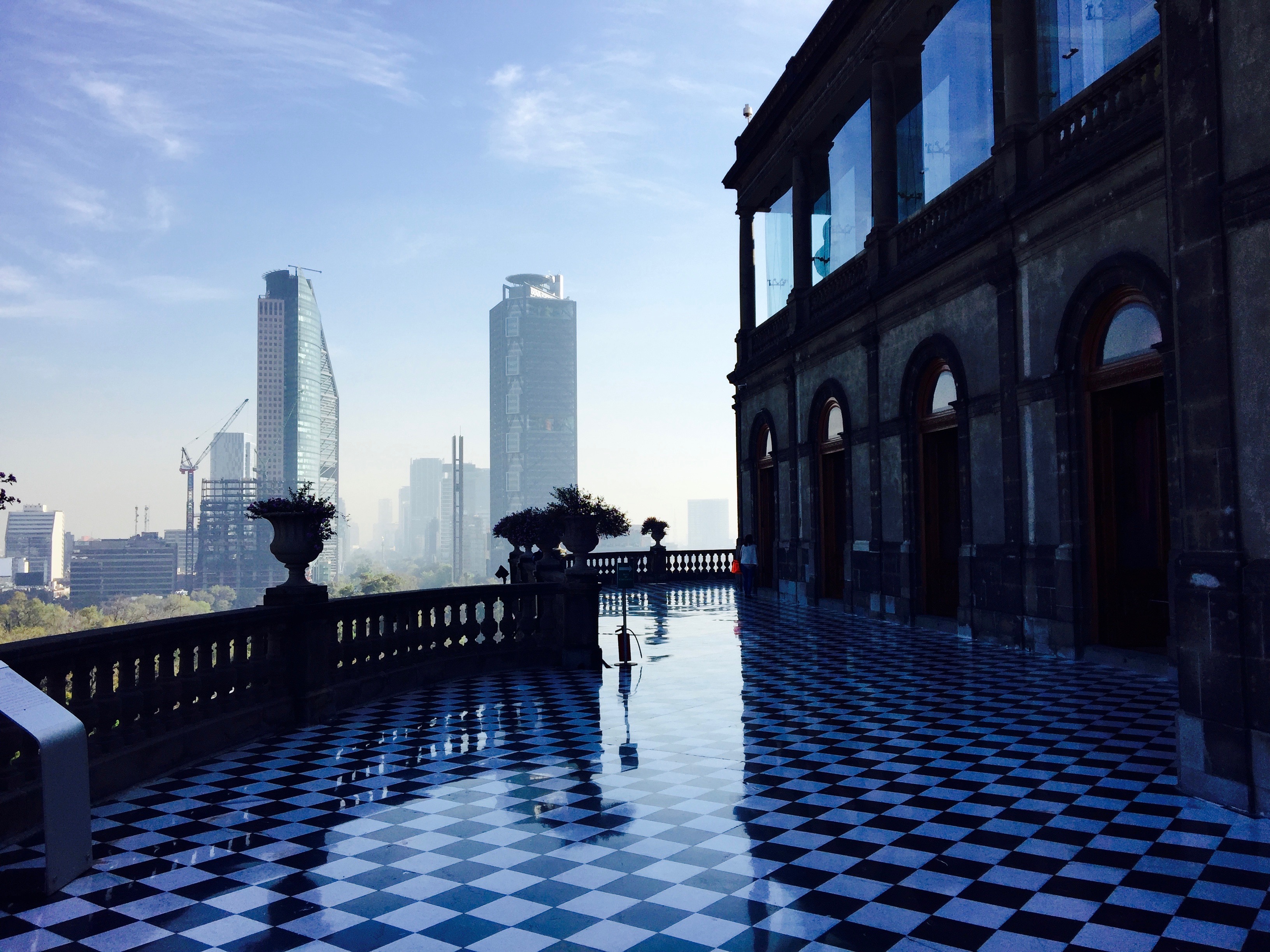
Day 7: Last day in Mexico and I already know I’m going to miss the tacos al pastor at El Tinzocito and the vibrancy of the city. I went to Chapultepec park, which in December was green, spacious, and beautiful. It has the same effect that Central Park has on you in NYC of transporting you away from the chaos of the city into a restful, pastoral place. There you will find El Castillo de Chapultepec which was built for the Austrian-born Emperor of Mexico Maximilian. After a long day of walking and learning about Mexico’s history, I met up with some friends for a drink at Felina which has a 60s/70s Mad Men type of atmosphere–very orange, brown, and retro and in the Hipódromo neighborhood. Another moment of being transported into a different era.
Takeaways: As I had mentioned before, if you like big cities, good food, and a vibrant culture and art scene, and like feeling like you’re in the middle of something grand and big, then Mexico City should be on your list. I visited in January 2017 and a lot has happened since then–namely, the September 2017 earthquake that killed more than 150 people. Roma and Condesa were actually some of the major neighborhoods impacted by the earthquake and, as the LA Times reported, residents have been moving away from these chic and hip spots. This hasn’t been the first time for Roma and Condesa, as the same movement occurred after the 1985 earthquake before young professionals and artists eventually returned to revitalize these colonias. But as my travels have illuminated aspects about CDMX, there is always a mixture of tragedy and hope, grime and beauty, hardship and resilience, and other somewhat contradictory elements that make this American metropolis such a rich and complex city.

 Critical Chica